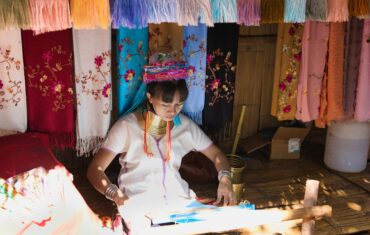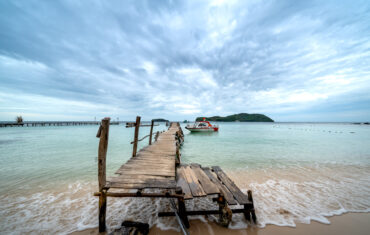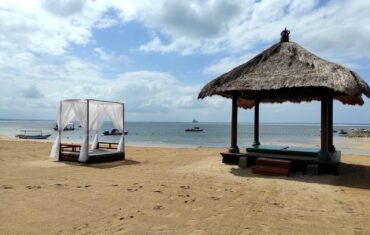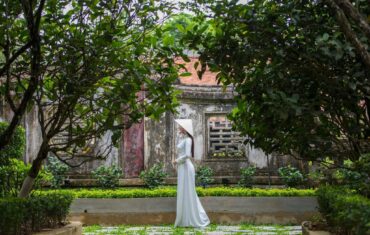
Thailand is known as the ” Kingdom of Smiles”. Throughout its history, although it has experienced periods of dictatorship, Thai people take pride in being the only Southeast Asian country never colonized by foreign powers. The country is also famous for its golden pagodas and temples with elegant, unique designs that preserve traditional architectural styles. Over 90% of the population practices Buddhism, which strongly influences the country’s cultural and social life. Thailand combines natural beauty, modern development, and a unique culture that draws millions of visitors every year.
GEOGRAPHY
Located in the heart of Southeast Asia, Thailand is a vibrant gateway to the emerging economies of the Mekong subregion. Covering 513,115 square kilometers, the country captivates visitors with its stunning and diverse landscapes. Thailand shares its southern border with Malaysia, its northwestern border with Myanmar, its northeastern border with Laos, and its southeastern border with Cambodia. Its dazzling capital, Bangkok, is famously known as “The City of Angels.”
CULTURE AND ARCHITECTURE
Thailand is predominantly inhabited by Thai people, and the official language is Thai, though English is widely spoken, especially in tourist areas. The Thai population holds deep respect and devotion for Buddhism, the state religion. The Royal Family is also a cornerstone of Thai culture, with its members highly revered by the people.
Visitors exploring Thailand are captivated by the abundance of temples found throughout the country, from the bustling streets of Bangkok to the outskirts of major cities, reflecting the deeply rooted Buddhist faith. Thais practice a beautiful tradition known as the “Wai” greeting, a gesture of respect and courtesy that involves placing the palms together at chest level, slightly bowing the head, and accompanying it with a warm smile.
The country is home to numerous historic palaces and temples, showcasing unique and exquisite architecture that reflects Thailand’s rich cultural heritage. Notable examples include the Grand Palace in Bangkok, a masterpiece adorned with traditional Thai decorations and hosting important official events; the Chitralada Palace, the king’s residence; and the Temple of the Emerald Buddha, regarded as Thailand’s most important Buddhist temple, housing a seated figure of the Emerald Buddha carved from green jade and dressed in golden robes, approximately 45 cm tall. Other remarkable temples include Wat Arun (Temple of Dawn), famous for its combination of Hindu and Buddhist architectural elements from the Khmer Empire, and Loha Prasat (Metal Castle), distinguished by its majestic multi-tiered iron pyramid structure, reaching 36 meters in height.
TRADITIONAL FESTIVALS
Thailand hosts a wide variety of events and festivals every year, many of which are deeply rooted in Buddhism and the Royal Family. Among the most notable are the coronation ceremony, the Buddhist festival of Khao Phansa, the birthdays of the King and Queen, and the famous Songkran festival, the largest and most important celebration in the country. These festivals provide a vibrant experience, full of energy, color, and a deep sense of Thai tradition.
Traditional Thai music and dance play a vital role in religious rituals and cultural celebrations. The renowned Sarama music, a traditional rhythmic composition, is featured in cultural events and the national sport of Thailand, Muay Thai. These artistic expressions bring excitement, cultural richness, and splendor to each festival, creating unforgettable experiences for visitors.pressions infuse the atmosphere with excitement and add a touch of splendor to the celebrations.
CURRENCY
The official currency of Thailand is the baht, reflecting the country’s cultural and economic richness. Coins currently in circulation are 1, 2, 5, and 10 baht, while banknotes come in denominations of 20, 50, 100, 500, and 1000 baht. Banknotes are commonly used for all types of transactions, whereas coins are convenient for small purchases, such as vending machines or train tickets.
In some locations, such as luxury restaurants, high-end hotels, and shopping centers, US dollars and credit cards are also accepted, sometimes with additional fees. However, it is recommended to exchange for Thai baht during your stay to fully immerse yourself in an authentic Thai experience.
SECURITY
Many travelers wonder if Thailand is a safe and reliable destination. The answer is yes: Thailand is generally a safe country to visit. As in most Southeast Asian countries, police and military presence is strong, both in bustling cities and in peaceful rural areas. It is common to see signs displaying police contact numbers along main roads and popular locations.
However, as anywhere in the world, there are people with both good and bad intentions. Simple precautions are recommended: avoid wearing expensive jewelry when going out, keep valuables and important documents at your hotel, avoid visiting remote areas at night, and always have the local police contact number handy. Following these tips will help ensure a safe and worry-free journey.
HEALTHCARE
Thailand boasts a modern and efficient healthcare infrastructure, making it an ideal destination for medical tourism. The country’s healthcare system provides advanced technology at competitive prices, along with personalized services designed specifically for international visitors. Thai hospitals and clinics are renowned for their excellence, many holding international accreditations and employing highly skilled doctors across various specialties. This ensures peace of mind and confidence for tourists seeking medical care during their trip.
In addition, Thailand offers a wide range of medical and aesthetic treatments, from plastic surgery and dentistry to traditional Thai medicine and alternative therapies. Visitors can combine their travel with medical procedures and enjoy a recovery period in beautiful and relaxing tourist settings.
TRANSPORTATION
Thailand has a modern and rapidly developing transportation system, including land, air, and sea routes. Traffic flows in an orderly and relatively fast manner, and honking is rare, as it is considered impolite in Thai culture.
Although there are few traffic police officers on the streets, security cameras help maintain road safety. Drivers follow traffic rules, avoid unnecessary lane changes, and drive responsibly, ensuring safe and comfortable journeys for both tourists and locals.
THE CLIMATE
Thailand is located in the subequatorial tropical region and has three distinct seasons: the cool season, the hot season, and the rainy season. The cool season, from November to February, brings mild weather with little rainfall and even cooler temperatures in northern areas.
The hot season, from March to May, can see temperatures rise above 40°C, so light clothing, sun protection, and hydration are essential.
The rainy season, from June to October, features frequent showers, with August and September being the wettest months. The best time to visit Thailand is from November to April, when the weather is dry and pleasant, perfect for exploring the country and enjoying its many local festivals.
TOURISM
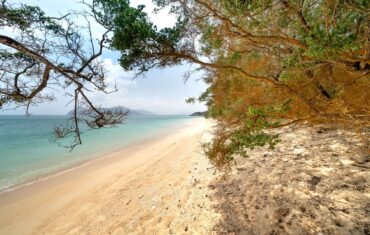
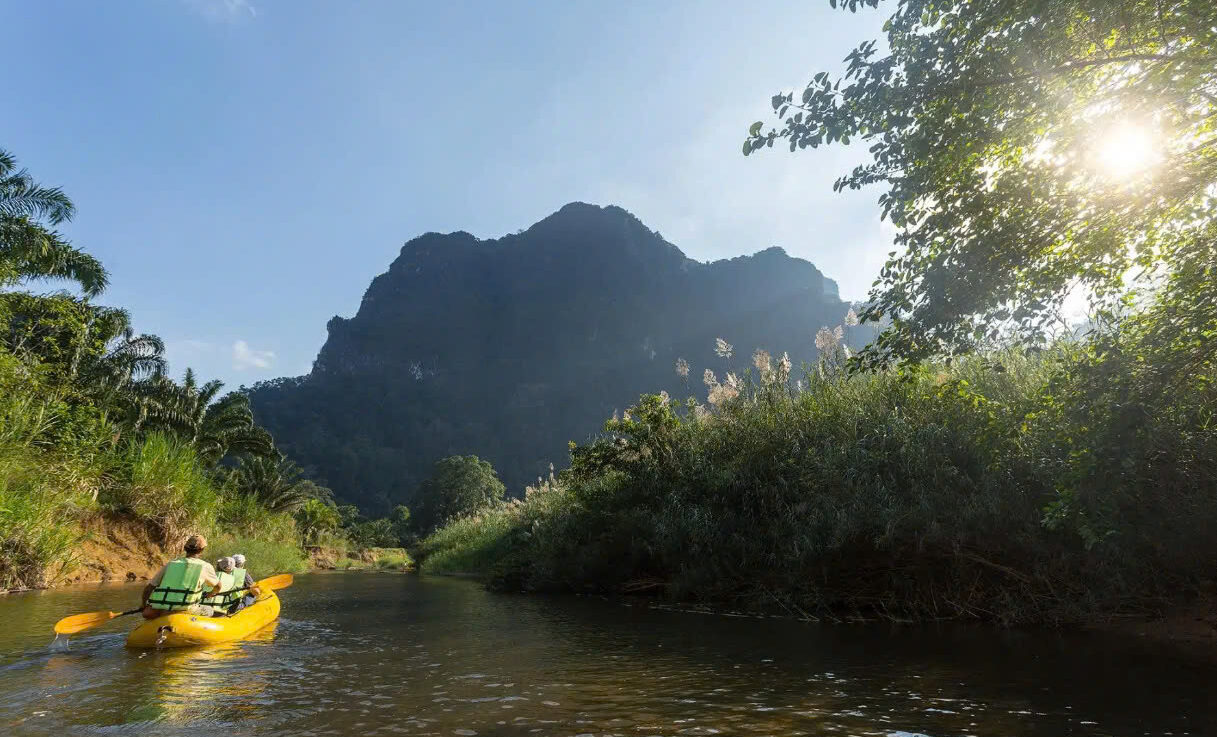
In recent years, Thailand has become a top tourist destination, attracting millions of visitors. Known as the “Tourism Paradise,” the “Shopping Paradise,” and the “Land of Friendly Smiles,” it offers a wide range of attractions, including crystal-clear beaches, lush forests, and unique natural landscapes. Popular destinations include Phuket, Koh Samui, Koh Tao, and Phang Nga Bay.
The country also features UNESCO World Heritage sites, such as Ayutthaya, Sukhothai, Ban Chiang, and the Dong Phayayen-Khao Yai Forest Complex, showcasing Thailand’s rich history and culture.
In addition, Thailand provides accommodations for all budgets, from budget hotels to luxury resorts, ensuring comfort and unforgettable experiences for every traveler.
THE GASTRONOMY
Thai culinary culture is rich, appealing, and characterized by unique features that cannot be found anywhere else. Each region has its own distinct style: southern cuisine shows influences from Indonesia and Malaysia, while the northern and northeastern regions blend culinary traditions from Laos, Vietnam, Cambodia, and Myanmar.
Despite these influences, Thai cuisine has preserved its strong identity, defined by signature flavors that balance sourness, saltiness, sweetness, and, above all, spiciness. Aromatic herbs such as lemongrass and coconut milk are essential ingredients, enhancing both flavor and health benefits. Sauces also play a vital role in Thai cooking, with spicy satay sauce and various types of fish sauce being particularly popular.
Some must-try dishes include Pad Thai (stir-fried rice noodles with egg and fish sauce), Laeng Saeb (spicy Thai ribs), Tom Yum (a fragrant soup with chicken or seafood), and Som Tam (green papaya salad). Each bite offers an authentic taste of Thailand’s vibrant culinary culture.
THE BEST TIME TO VISIT THAILAND
The best time to visit Thailand is from November to February, when the weather is cool and pleasant, perfect for exploring temples, beaches, and cities. During this season, tourists can enjoy stunning sunsets, Chao Phraya River cruises, and panoramic views of Bangkok from the Baiyoke Sky Tower. Major festivals take place, including the Yi Peng Lantern Festival in Chiang Mai in November, the Loy Krathong Festival nationwide, and the King’s Day celebrations in December, featuring parades, fireworks, and boat races. This is the high season for tourism in Thailand.
From March to May, the weather is hot, ideal for visiting popular islands like Koh Phi Phi, Phuket, and Phang Nga Bay, swimming in crystal-clear waters, and enjoying the refreshing sea breeze. The Songkran Festival, celebrated from April 13 to 15, offers a unique cultural experience.
From June to October, Thailand enters the rainy season, perfect for travelers seeking fewer crowds and lower prices. This period is also great for shopping with discounts of up to 70 – 80%, especially in August.
WHAT YOU NEED TO KNOW BEFORE TRAVELING TO THAILAND:
- Thai people are very friendly and welcoming, so don’t be surprised if someone comes up to greet you.
- Avoid discussing the topic of the King, as he is deeply respected and revered by the Thai people.
- When visiting temples, pagodas, or any other sacred sites, please dress appropriately with long sleeves and remove your shoes and hats before entering.
- During the day, you can take a tuk-tuk for transportation, but it’s safer to take official taxis at night.
- Visitors can utilize the public transportation system. The metro and train are fast, convenient, and affordable. If you plan to travel extensively, consider purchasing a daily travel card, which is cheaper than buying individual tickets.
- Thailand is one of the few countries in the world where individuals who identify as LGBT are separated from the rest of the inmates according to their gender or orientation, providing them with additional protection. Don’t be surprised if you encounter a beautiful girl who is actually a boy.
- Traditional Thai massages are affordable and effective. After a day of touring, you can enjoy a massage to relax and quickly rejuvenate. The price for a massage is around $5 per hour.
- Avoid touching other people’s heads, as in Thai culture, the head is considered the most sacred part of the body.
With this information, EPIC TRIP ASIA we hope you have a wonderful and unforgettable journey to the Kingdom of Thailand.