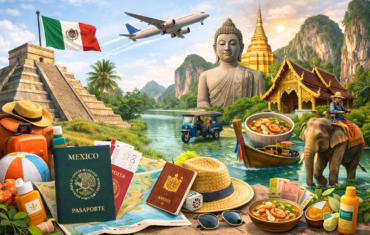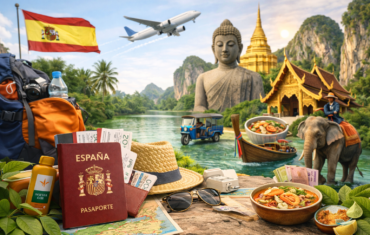
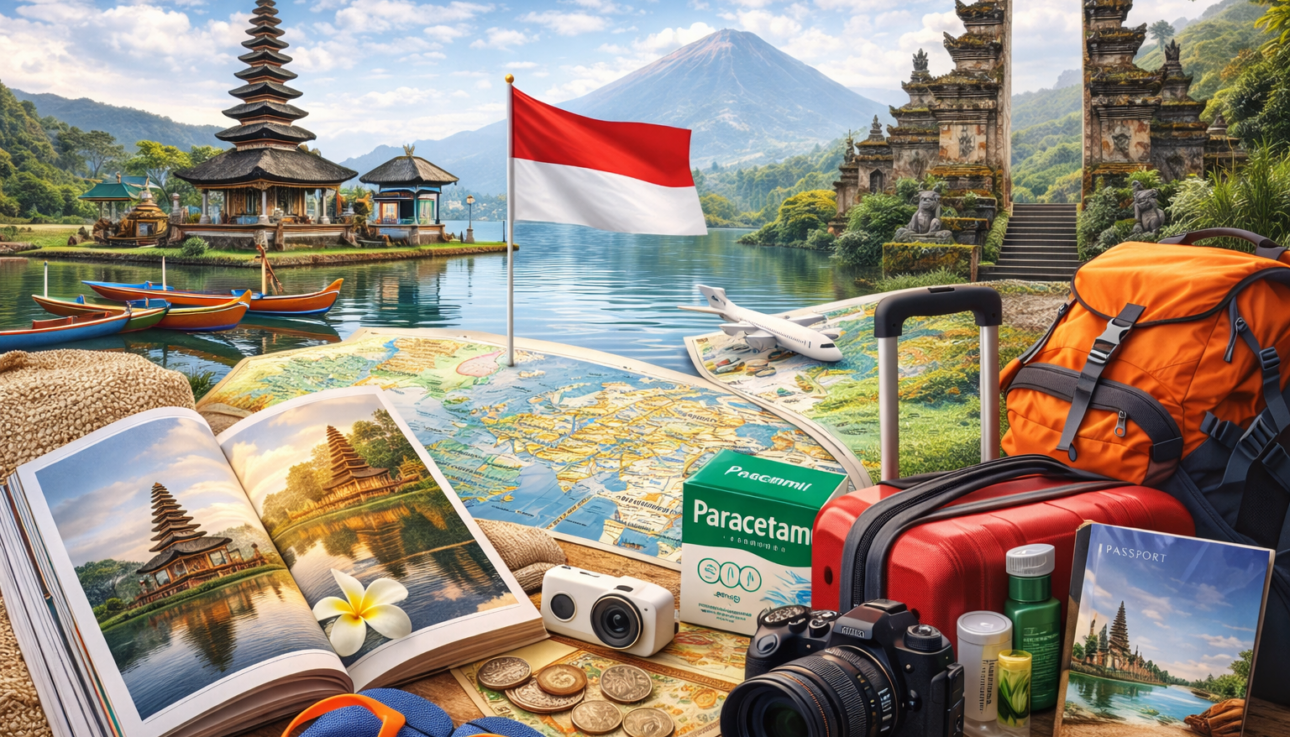
Indonesia, and particularly the island of Bali, is one of the most fascinating destinations in Southeast Asia. Its combination of natural landscapes, spirituality, living traditions, and unique cuisine attracts millions of travelers from around the world every year. To fully enjoy your trip in 2026, it is important to understand some practical and cultural aspects before traveling. Below is a complete guide with useful tips designed for both Spanish and Mexican travelers.
Climate and Best Time to Travel to Indonesia (Bali)
Indonesia has a tropical climate, characterized by warm temperatures and high humidity throughout the year. In coastal areas such as Bali, the average temperature is around 28°C, while in mountainous areas it can be slightly cooler.
The year is divided into two main seasons:
- Dry Season (April to September):
This is the best time to visit Bali. The weather is more stable, rainfall is lower, and conditions are ideal for enjoying beaches, excursions, and outdoor activities. - Rainy Season (October to March):
Rainfall is more frequent, especially between December and February. Although showers can sometimes be intense, they are usually short, and the landscapes become greener and more lush.
What to Prepare Before Traveling to Indonesia (Bali)?
To avoid any inconvenience, it is essential to know the entry requirements and required documentation according to your nationality. We invite you to consult our articles with updated information and practical advice:
- TRAVELING TO INDONESIA (BALI) FROM SPAIN IN 2026: REQUIREMENTS, VISA, AND DOCUMENTS
- EVERYTHING YOU NEED TO TRAVEL TO INDONESIA (BALI) FROM MEXICO IN 2026
Essential preparations
- Passport valid for at least 6 months from the date of arrival.
- The appropriate visa (Visa on Arrival or e-VoA).
- Return or onward ticket.
- International travel insurance with medical coverage, highly recommended.
- Personal medication and a small basic first-aid kit.
It is also advisable to confirm with your airline that boarding will not present any issues, as requirements may change.
Local Culture and Etiquette
Bali is an island with a strong cultural identity, deeply influenced by Balinese Hinduism. Respect for local traditions is essential.
Some important tips:
- Dress modestly when visiting temples (shoulders and legs covered).
- Do not enter temples during ceremonies without permission.
- Avoid touching people’s heads.
- Do not point with your index finger.
- Respect the offerings placed on the ground.
Kindness, patience, and a respectful attitude are highly appreciated by the local population.
Transportation in Indonesia (Bali)
The transportation system in Indonesia is varied and depends greatly on the region.
In Bali and other tourist areas:
- Ride-hailing apps such as Grab and Gojek are widely used and convenient.
- Motorbike rentals are very common, but require caution and a valid license
- Domestic flights quickly connect major cities and islands.
- In some areas, traditional transport such as becak or bajaj is still used.
In large cities like Jakarta, there are modern systems such as MRT, LRT, and TransJakarta buses.
Indonesian (Bali) Cuisine
Indonesia, and especially Bali, is a true gastronomic paradise. Its cuisine reflects the country’s cultural diversity, with influences from different regions of Indonesia and foreign communities, and it is deeply shaped by Balinese Hindu culture.
Flavors are characterized by a balance between savory, sweet, sour, and spicy, using a unique combination of spices and herbs.
Must-Try Dishes:
- Babi Guling: one of Bali’s most iconic dishes. It is roasted pork served with rice, satay, crispy skin, and seasoned vegetables.
- Betutu: chicken or duck marinated with strong spices and slowly cooked.
- Satay: grilled skewers of meat, chicken, or fish served with sauce.
- Sate Lilit: a Balinese version of satay made with minced meat, grated coconut, and bumbu spices.
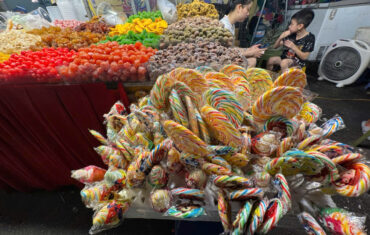
Warungs and local markets are ideal places to experience authentic cuisine at affordable prices.
Safety in Indonesia (Bali)
Indonesia in general, and Bali in particular, is considered a safe destination for tourists.
Serious crimes are uncommon, especially in tourist areas.
However, it is recommended to:
- Keep an eye on personal belongings.
- Avoid driving without experience or a valid license.
- Be cautious of minor scams.
- Avoid poorly lit or isolated areas at night
- Respect traffic and safety regulations.
Currency and Payments
The official currency of Indonesia is the Indonesian Rupiah (IDR), whose symbol is Rp.
Both banknotes and coins are in circulation.
Practical aspects:
- Cash is still widely used.
- Credit cards are accepted in hotels, restaurants, and large shops.
- Digital payments are very common: GoPay, OVO, Dana, ShopeePay.
- Convenience stores such as Alfamart or Indomaret accept both cash and electronic payments.
Internet and SIM Cards
- 4G/5G SIM cards available at airports and official stores.
- Good coverage in tourist areas.
- Free Wi-Fi available in hotels, cafés, and restaurants.
Conclusion
Traveling to Indonesia, especially Bali, in 2026 is an enriching experience that combines nature, spirituality, and a vibrant culture. Preparing in advance, respecting local traditions, and understanding the practical aspects of the trip will allow travelers to enjoy a safe and memorable journey. For both Spanish and Mexican travelers, Bali offers a unique combination of relaxation, adventure, and cultural discovery.