Ninh Binh is a province located in northern Vietnam, about two hours south of Hanoi. It is often described as a place where nature and history exist side by side. Unlike busy cities or well-known beach destinations, Ninh Binh offers a slower pace of life, wide open landscapes, and a strong connection to Vietnam’s past. This combination makes it an appealing destination for travelers who want to explore nature while also learning about local culture and history.
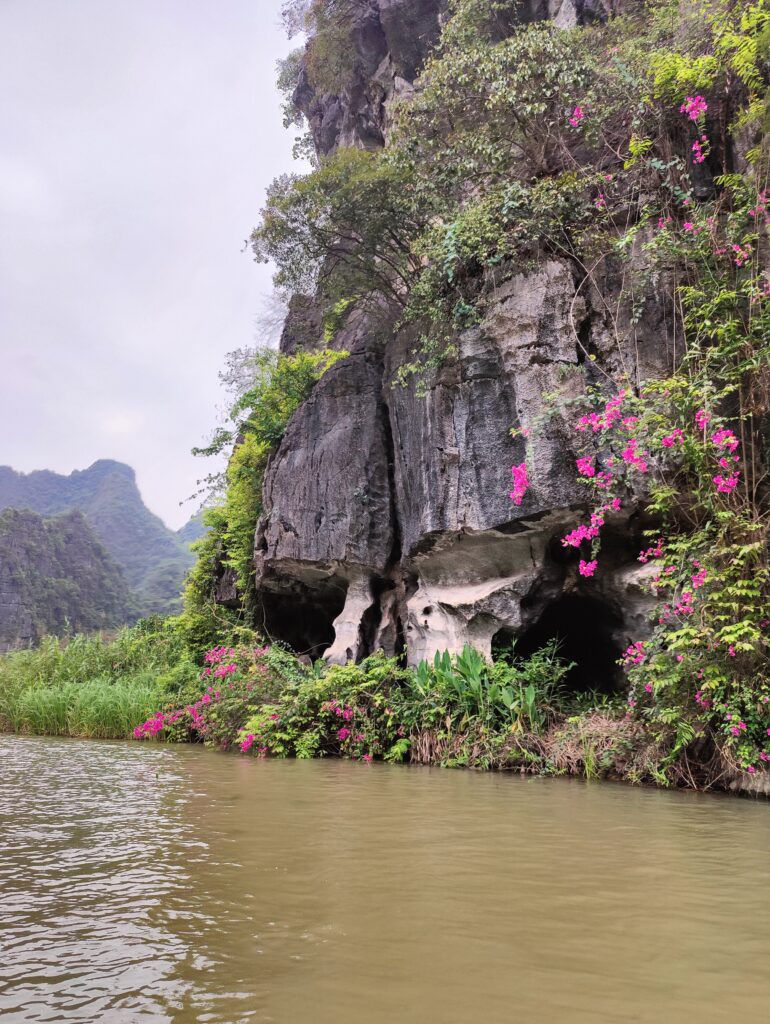
One of the most recognizable features of Ninh Binh is its limestone karst landscape. Tall limestone mountains rise sharply from flat rice fields and calm rivers, creating a scenery that feels both dramatic and peaceful. These formations have developed over millions of years and are now one of the defining characteristics of the region. The natural environment plays an important role in local life, shaping farming practices, transportation, and daily routines.
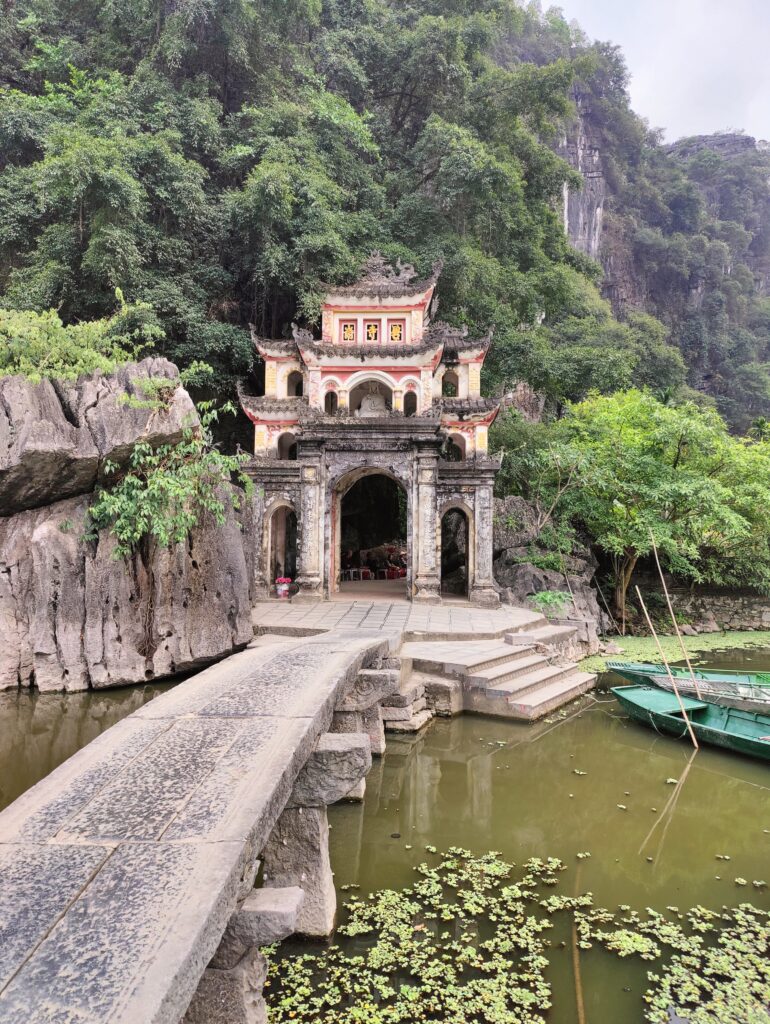
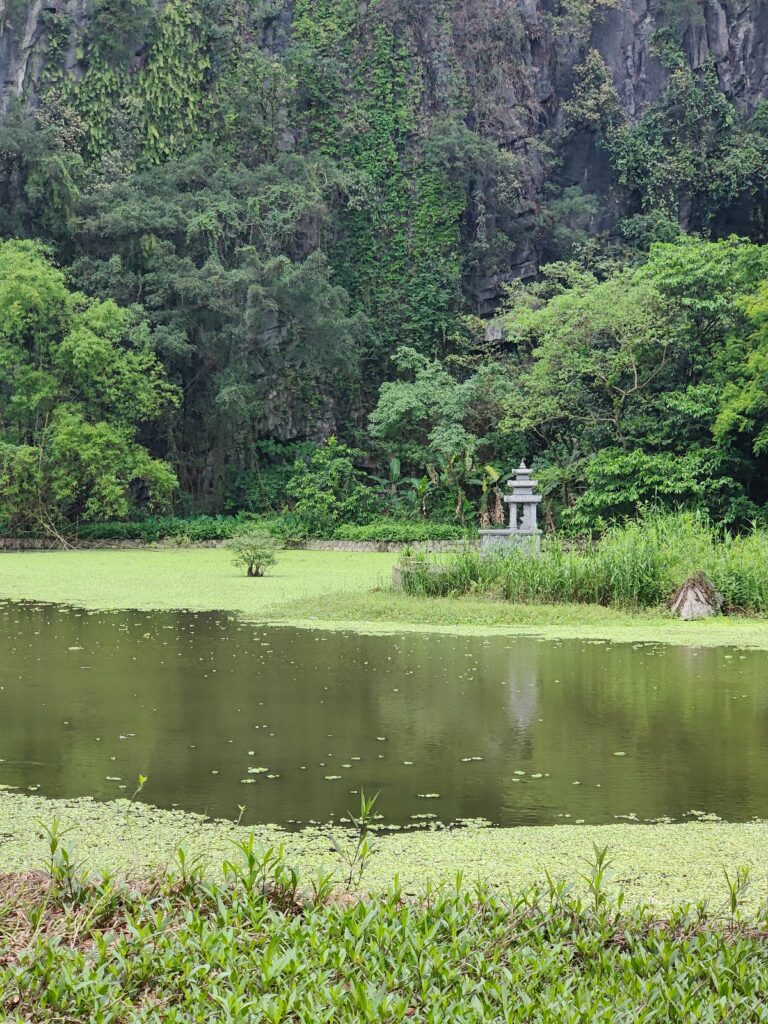
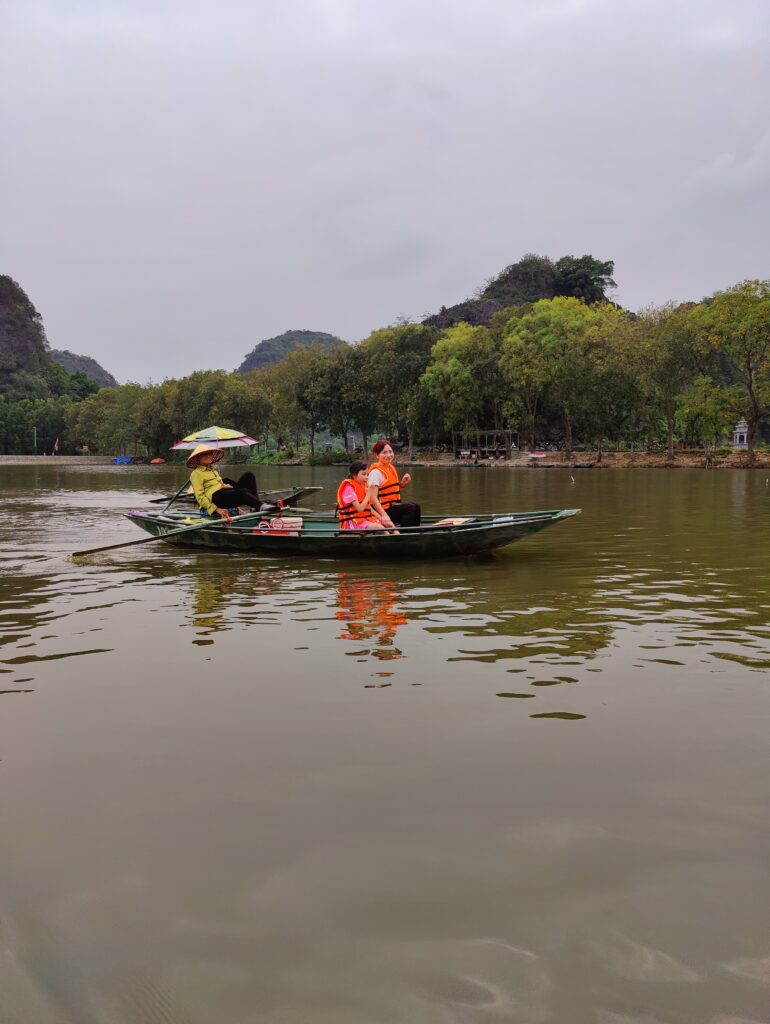
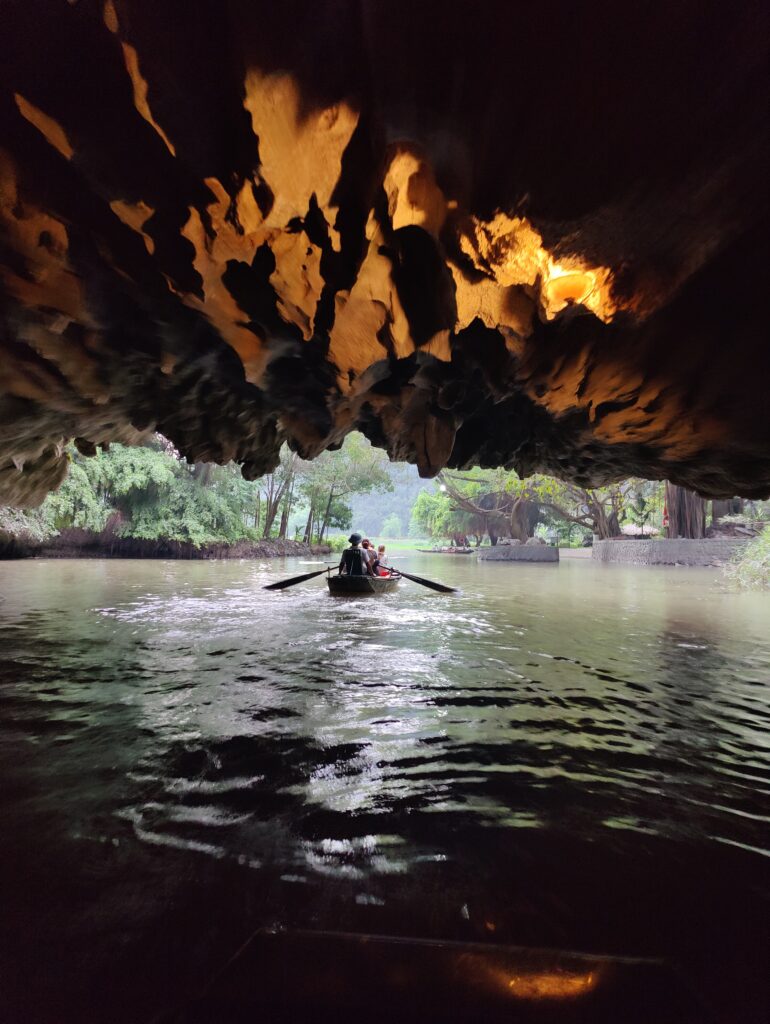
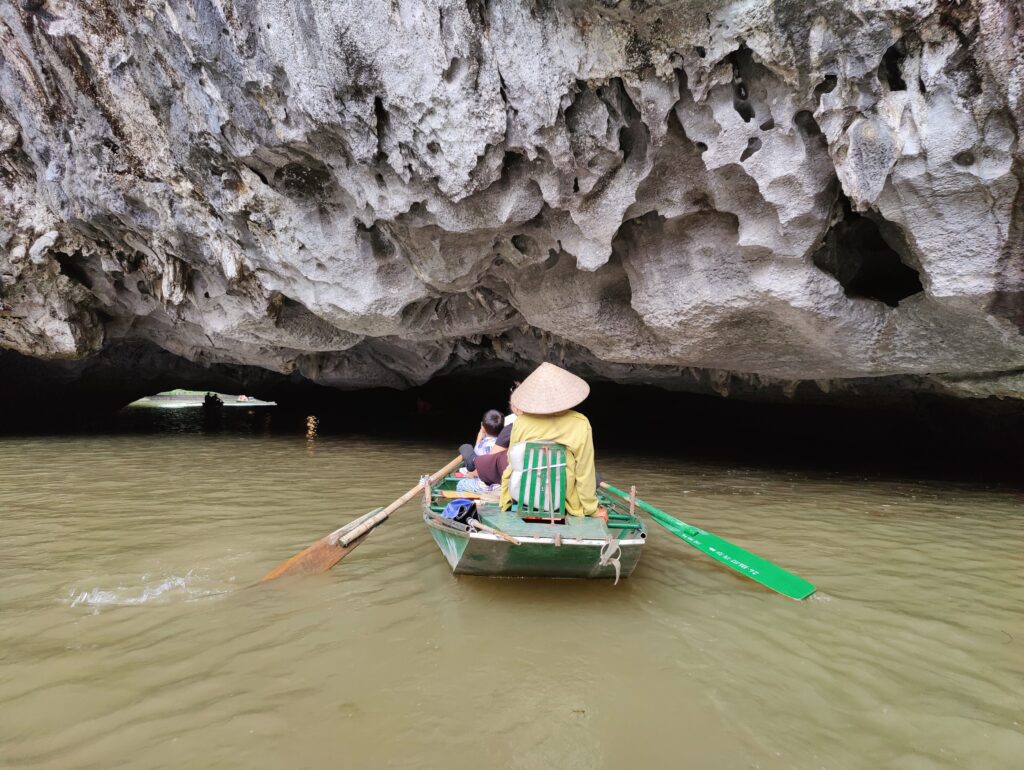
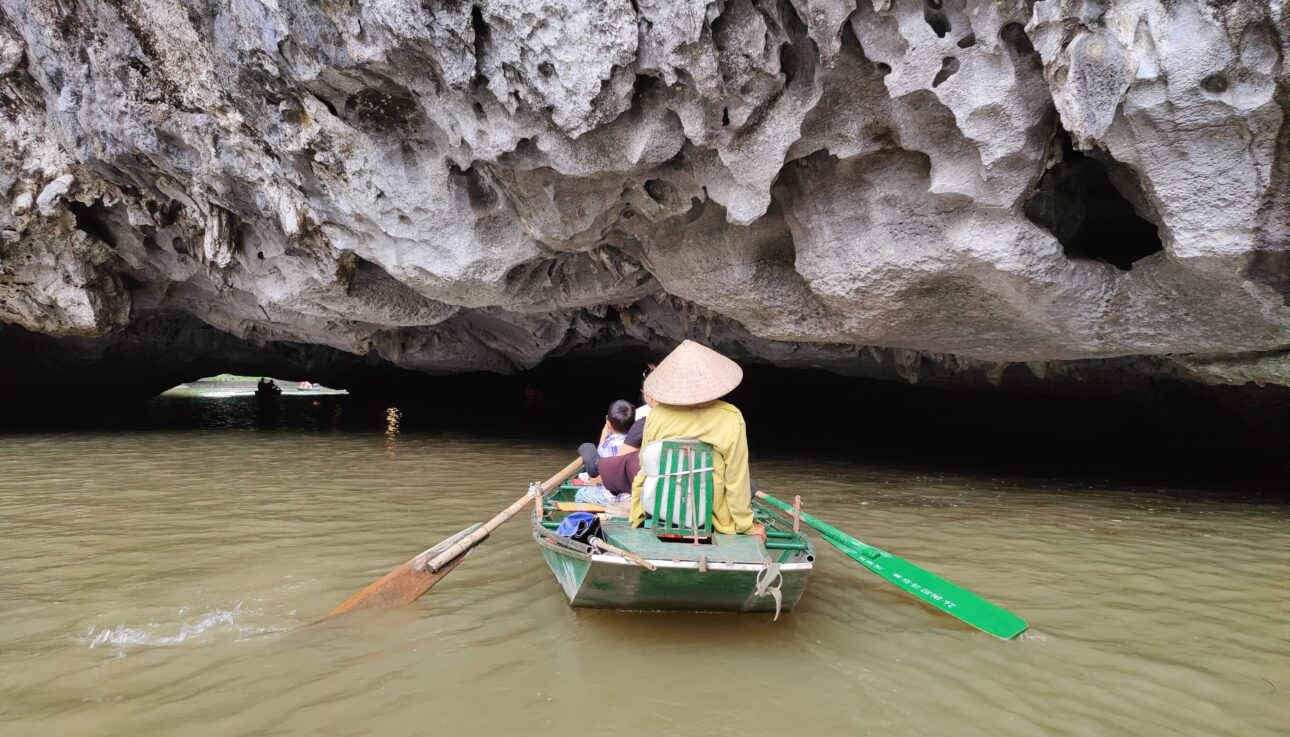
Among the most popular natural areas in Ninh Binh is Trang An Landscape Complex, a UNESCO World Heritage Site. Trang An is known for its system of rivers, caves, and limestone mountains. Visitors usually explore the area by small rowboats, slowly moving along narrow waterways. As the boat passes through caves and open valleys, travelers can observe untouched vegetation, rock formations, and small temples hidden among the cliffs. The experience is quiet and relaxed, allowing visitors to enjoy the surroundings without feeling rushed.
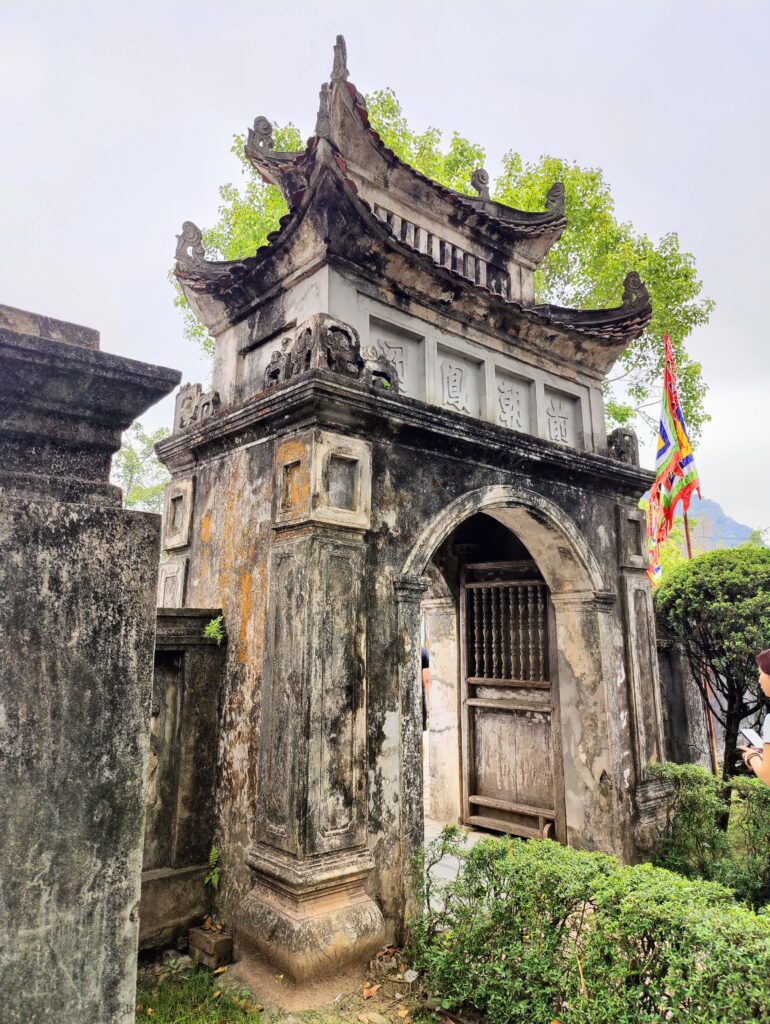
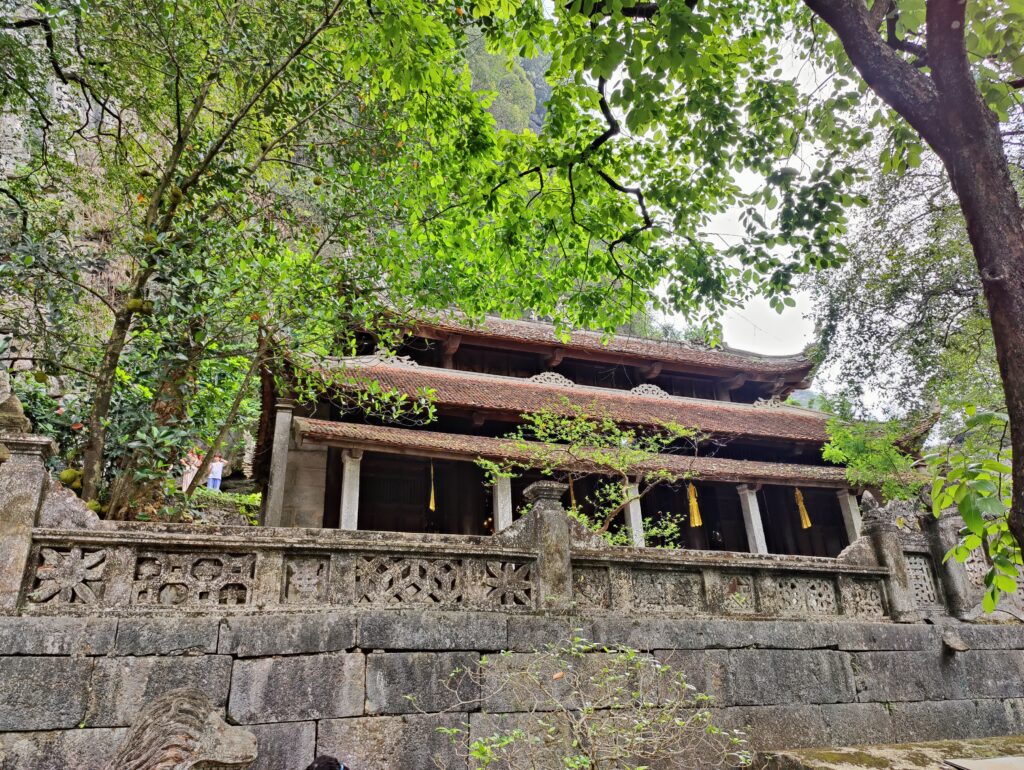
Another well-known area is Tam Coc – Bich Dong, often referred to as “three caves.” Similar to Trang An, Tam Coc is explored by boat, usually along the Ngo Dong River. During the rice harvest season, the fields along the river turn bright green or golden, creating a simple yet striking landscape. Bich Dong Pagoda, located nearby, is built into the side of a mountain and consists of several small temples at different levels. It reflects the traditional relationship between spirituality and nature in Vietnam.
For those seeking a more peaceful and less crowded environment, Van Long Nature Reserve offers a different experience. Van Long is a wetland area known for its calm waters and quiet atmosphere. The reserve is home to various bird species and is also one of the few places where the endangered Delacour’s langur can still be found. Boat trips here are slow and silent, allowing visitors to observe wildlife and enjoy the reflection of mountains on the water’s surface.
Beyond its natural landscapes, Ninh Binh keeps a deep cultural and spiritual heritage. The province was once home to Hoa Lu, the ancient capital of Vietnam during the 10th and early 11th centuries. Hoa Lu served as the political and cultural center under the Dinh and Early Le dynasties. Although the capital later moved to Thang Long (modern-day Hanoi), Hoa Lu remains an important historical site.
Today, visitors to Hoa Lu can see temples dedicated to Emperor Dinh Tien Hoang and Emperor Le Dai Hanh. These temples are surrounded by mountains, creating a natural defensive setting that explains why the area was chosen as a capital in the past. The architecture is modest but meaningful, reflecting traditional Vietnamese design and respect for historical figures. Walking through Hoa Lu offers insight into the early foundations of the Vietnamese state.
One of the most popular viewpoints in Ninh Binh is Hang Mua, also known as “Mua Cave”. To reach the top, visitors must climb a long staircase built into the mountainside. The climb can be physically demanding, but the view from the top is widely considered worth the effort. From above, the landscape opens up to reveal winding rivers, rice fields, and limestone mountains stretching into the distance. The view provides a clear understanding of how nature shapes life in Ninh Binh.
Ninh Binh is not only about sightseeing; it is also a place where daily life continues at a steady, unhurried pace. Most of the local population works in agriculture, and their lives are closely connected to the fields, especially rice farming, an activity practiced for generations. Villages are often located near rivers and fields, and traditional houses remain common in rural areas. A little farther from the main attractions, you can see farmers working in the fields, children riding bicycles, and small local markets that reflect the daily life of the region.
Cultural and spiritual traditions are deeply rooted in Ninh Binh. Temples, pagodas, and communal houses can be found throughout the province. These places serve not only as religious sites but also as centers for community gatherings and festivals. Local beliefs often emphasize harmony with nature, respect for ancestors, and the importance of family and community life.
Food is another way to understand local culture. Ninh Binh’s cuisine is simple and closely connected to the countryside. Dishes often use fresh ingredients sourced from nearby farms, rivers, and wetlands. One of the most well-known local specialties is goat meat, prepared in various ways such as grilling or steaming. Other common dishes include crispy rice, freshwater fish, and seasonal vegetables. Meals are usually shared, reflecting the communal nature of local life.
Traveling in Ninh Binh does not require a fast schedule. Many visitors choose to explore the area by bicycle or on foot, especially in villages and rural paths. This slower form of travel allows for closer interaction with the environment and local people. It also aligns with the overall atmosphere of the province, which encourages observation and reflection rather than constant movement.
Ninh Binh’s location makes it easy to combine with other destinations in northern Vietnam. However, many travelers find that spending extra time in the province allows for a deeper experience. Early mornings and late afternoons are particularly peaceful, when mist often rises from the rivers and fields, and daily activities unfold quietly.
In recent years, Ninh Binh has gained more attention from both domestic and international travelers. Despite this, much of the region has managed to maintain its natural and cultural character. Responsible tourism practices, such as preserving natural areas and respecting local traditions, are increasingly important to ensure that Ninh Binh remains a sustainable destination.
Visiting Ninh Binh is not only about seeing famous landscapes or historical sites.
It also means understanding the connection between nature, history, and daily life. It is a place that encourages you to slow down, observe simple routines, and appreciate the balance between people and their surroundings. For those seeking tranquility, cultural depth, and natural beauty, Ninh Binh offers an authentic and memorable experience.