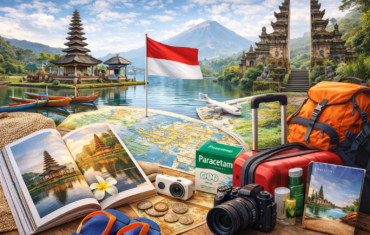
Also known as the “Land of the Gods,” Bali enchants visitors with its breathtaking natural beauty, where majestic volcanoes and lush terraced rice fields create a sense of peace and serenity. The island is also famous as a surfer’s paradise, offering world-class beaches and excellent waves.
Bali stands out for its rich cultural heritage, expressed through spectacular traditional dances, vibrant ceremonies, refined artistic traditions, and exquisite local craftsmanship. Luxury beachfront resorts and a lively nightlife scene further enhance its appeal. Wherever you go, you will encounter beautifully carved temples that showcase the exceptional skill and spiritual depth of the Balinese people.
THE GEOGRAPHY AND CLIMATE
Located about 8 degrees south of the equator, Bali enjoys a tropical climate that is warm and humid year-round, with two distinct seasons: the dry season and the rainy season.
The central mountainous areas of the island, home to several volcanoes, rise to over 3,000 meters above sea level. These highland regions experience cooler temperatures and significantly higher rainfall compared to coastal areas, contributing to Bali’s diverse landscapes and climates.
WHAT TO DO IN BALI
Bali’s white-sand beaches are undoubtedly a favorite destination for family holidays. Visitors can enjoy a wide range of water sports such as banana boat rides, parasailing, and jet skiing, as well as swimming or simply relaxing and soaking up the sun by the sea.
Kuta is one of Bali’s most famous beaches. Along this stretch of coast, you will find a wide variety of hotels, restaurants, shops, and cafés. In the evening, the area comes alive with a vibrant nightlife and disco music.
For a more peaceful experience, Jimbaran Beach is the perfect place to enjoy freshly grilled seafood by the shore. Seminyak is home to internationally renowned five-star hotels and luxury accommodations, along with an excellent selection of stylish restaurants. Sanur Beach also offers many hotels and dining options. Another popular destination is Nusa Dua, known for its private beaches in front of high-end luxury resorts.
Surf enthusiasts will love the waves of Nusa Lembongan, located near Nusa Penida. These islands are about a 45-minute boat ride from Nusa Dua or Sanur. On the southwest coast of Nusa Penida, Manta Point and Malibu Point offer unforgettable diving experiences, where divers can swim alongside trevallies, giant manta rays, and even sharks. Kelingking Beach, Atuh Beach, and Broken Beach are among the most iconic spots on the island.
Some of Bali’s best diving sites can be found on Menjangan Island, famous for its shallow reef, old anchor remains, eel gardens, and underwater caves. Located in western Bali, the area also offers the unique sight of deer swimming close to the shore. Pemuteran is another well-known diving destination, recognized for its strong commitment to coral reef conservation.
Nature lovers can explore or hike through West Bali National Park, where they can observe the island’s rich flora and fauna, including the rare Bali starling. Bali also offers world-class rafting on the spectacular Ayung River in Ubud. Cycling enthusiasts will enjoy riding around Ubud and its surrounding countryside, as well as the excellent cycling routes in Uluwatu, in southern Bali.
Experienced hikers may wish to climb Mount Agung, starting the ascent behind the temple or through the village of Sebudi. It is essential to obtain permission from temple authorities, as Balinese religious beliefs dictate that no one should stand higher than the sacred temple, especially during ceremonies.
Another fantastic option for an adventurous hike is the beautiful Mount Batur, which overlooks the serene Lake Batur in the Kintamani region.
CULTURE
The Balinese practice a distinctive form of Hinduism known as Agama Hindu Dharma. Religion and cultural traditions in Bali deeply influence nearly every aspect of daily life on the island, drawing visitors from around the world who wish to witness and experience this rich cultural heritage. A core belief of Balinese Hinduism is that the elements of Mother Nature are inhabited and influenced by divine spirits.
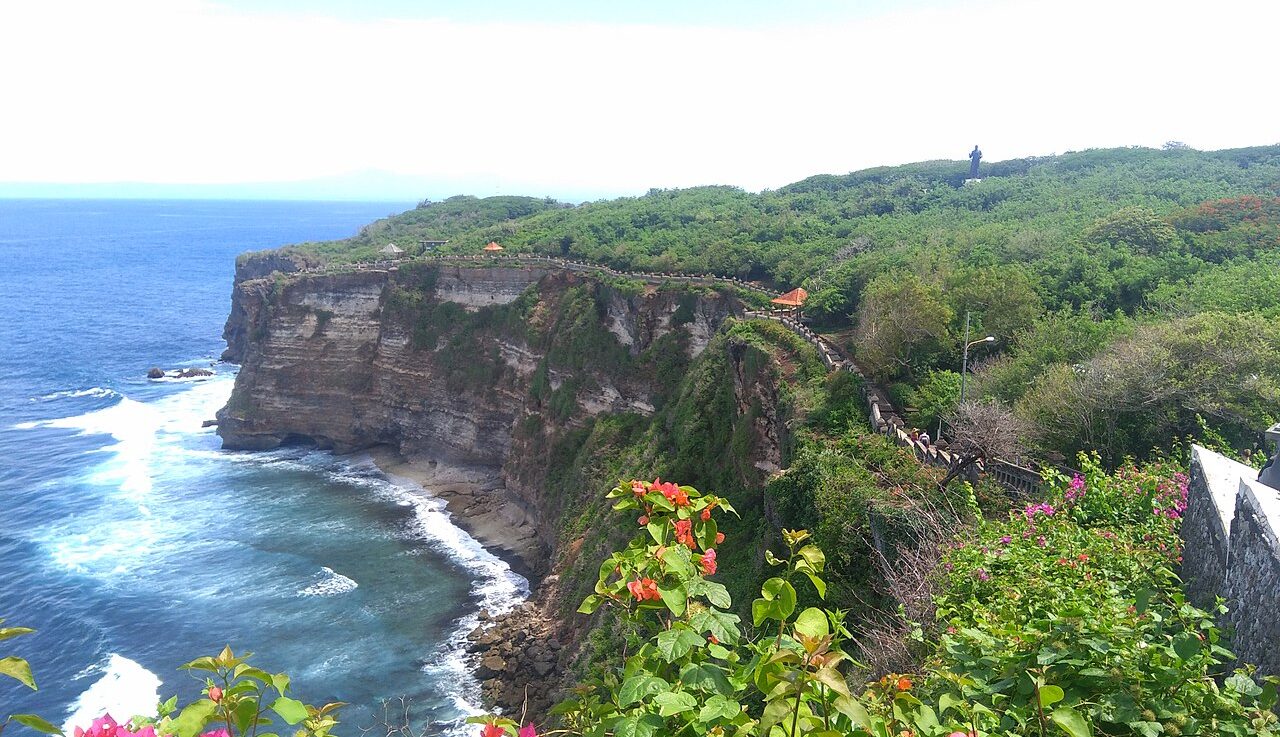
One of the most spectacular expressions of Balinese culture is the Kecak Dance, performed outdoors on a cliff at Uluwatu Temple. Experiencing this performance at sunset is truly unforgettable: as the sun slowly sets over the ocean, the Kecak Dance delivers an iconic and symbolic artistic display. The dance tells episodes from the Ramayana, focusing on the story of Sita, the wife of Prince Rama, who is abducted by the demon king Rahwana.
Traditional Balinese dance, a vital part of the island’s cultural identity, is closely associated with religious ceremonies. However, since the 1950s and the rapid growth of tourism, many dances have been adapted and are now performed outside religious contexts. This evolution allows visitors to appreciate and enjoy Bali’s rich artistic expressions in a variety of settings while preserving its cultural essence.
CURRENCY
The official currency of Indonesia is the Indonesian Rupiah (IDR), issued and regulated by Bank Indonesia. Its international currency code is IDR, and the symbol used is Rp. By law, all transactions within the country must be conducted in rupiah. Daily exchange rate information can be found in newspapers, websites, and financial apps.
Credit cards are widely accepted in hotels, upscale restaurants, and large retail stores, particularly in major tourist areas.
ATMs connected to international networks such as Plus, Cirrus, or Alto are commonly available in Indonesia’s main cities and popular tourist destinations. Withdrawal limits depend on the issuing bank. These machines usually dispense 50,000 or 100,000 IDR banknotes, as indicated on the ATM.
However, larger denominations can be harder to change in rural or non-touristy areas. It is therefore advisable to withdraw sufficient cash in major cities before traveling to more remote destinations.
HEALTHCARE & HYGIENE
Balinese people have always placed great importance on cleanliness and hygiene. Bathing is a daily ritual and an essential part of everyday life. Traditionally, it is also a time to visit the river, where women wash their family’s clothes. These rivers become social gathering places, with men usually upstream and women downstream.
Many traditional stories are linked to this custom, some playful and others more daring. One of the most remarkable legends is that of Lod-lod Peng, a character whose story is both fascinating and unsettling, particularly from a female perspective. According to folklore, he possessed an unusually long phallus that he could control at will. It would slide through the water like a snake, disappear beneath the surface, and re-emerge beside the woman of his choosing, creating a scene filled with mystery, symbolism, and intrigue within Balinese mythology.
TRANSPORTATION
Although Bali is relatively small, getting around the island can take longer than expected. Public transportation is limited and irregular, making it essential to choose the most efficient way to travel across the famous “Island of the Gods.”
Traffic congestion is common in the densely populated southern and central areas, which are popular hubs for travelers and tourists. In the more remote rural regions, winding roads through rice fields, rolling hills, and uneven valleys make exploring the island a delight, but also slow the pace. Bali is a place where slowing down is part of the journey, and rushing rarely adds value to the experience.
VISAS AND TOURISM
Since late 2021, Bali has gradually reopened to international tourism. On March 7, 2022, the Indonesian government introduced a quarantine-free trial period along with a Visa on Arrival (VOA) program for travelers from 23 selected countries.
The list of eligible countries was then expanded in stages:
- 42 countries on March 22, 2022
- 43 countries on April 6, 2022
- 60 countries on April 28, 2022
- 72 countries on May 30, 2022
- 75 countries on July 27, 2022
According to the latest official update dated September 23, 2022, the Visa on Arrival program was extended to 86 countries and has since expanded to cover up to 97 countries. The Visa on Arrival is available at major international airports and seaports in Indonesia, including Bali, and is typically valid for short-term stays related to tourism.
For full details and the most up-to-date information, please refer to the following link: HERE
GASTRONOMY
Culinary tradition is an inseparable part of Indonesia’s cultural heritage, shaped over centuries by local ingredients and ancestral cooking techniques. Today, innovative creations often blend traditional flavors with international influences, resulting in dishes that appeal to a broader global audience. In Bali, tourism is closely linked to gastronomic adventures and shopping experiences. Beyond its stunning beaches and iconic landmarks, the island is also renowned for its rich and diverse traditional cuisine.
Betutu is one of Bali’s most iconic dishes. Made with chicken or duck, either steamed or roasted, it is marinated in a rich spice blend known as bumbu betutu. This highly seasoned and aromatic dish is especially popular in Bali and Lombok. The spice mixture typically includes shallots, garlic, turmeric, ginger, galangal, candlenuts, hot chilies, shrimp paste, and peanuts, all finely ground. While the core ingredients remain similar, flavors and cooking methods vary by region.
Sate Lilit is a Balinese variation of satay. It is prepared with minced meat—commonly pork, fish, chicken, or beef—mixed with grated coconut, thick coconut milk, lime juice, shallots, and pepper. The seasoned mixture is wrapped around bamboo sticks, sugarcane, or lemongrass stalks and then grilled. The word lilit means “to wrap,” reflecting its distinctive preparation method.
Babi Guling, or Balinese roasted suckling pig, is one of the island’s most famous dishes. It is usually served with steamed rice and lawar. The pig is stuffed and infused with a spicy mixture often containing turmeric, coriander seeds, lemongrass, black pepper, and garlic, then traditionally slow-roasted on a spit. This dish is commonly found in local warungs, popular for quick lunches or dinners.
Lawar is a traditional dish made from a combination of vegetables, grated coconut, and minced meat, seasoned with local herbs and spices. Despite its vegetable-rich composition, it is not considered vegetarian, as it often includes meat or even blood in traditional recipes.
Rujak Bulung (seaweed), made from seaweed, is a favorite among locals. It is easy to find at Balinese food stalls and is not only valued for its refreshing taste but also for its ability to help relieve nausea and vomiting.
Overall, Balinese cuisine offers a wide range of bold flavors and authentic culinary experiences, making it a must for food lovers and travelers seeking unforgettable gastronomic adventures.
THE BEST TIME TO VISIT BALI
If you are planning a trip to Bali, the best time to visit is between April and October, during the island’s dry season. Bali has only two distinct seasons: the dry season and the rainy season.
Throughout the year, daytime temperatures remain warm and pleasant, ranging between 27°C and 32°C, with the main differences being humidity levels and rainfall. The lack of rain during the dry months makes Bali especially appealing for beach lovers and outdoor activities.
From November to March, Bali experiences its rainy season, with frequent showers, particularly in January, when rain-free days are rare. Although the rainfall is not always heavy, the combination of high humidity and warm temperatures (averaging around 32°C during the day) may discourage some travelers during this period. Rainfall can also reduce visibility at diving sites and increase mosquito activity. That said, this season often brings better travel deals and lower prices, making it attractive for budget-conscious visitors.
Each season has its own charm in Bali, but if you want to enjoy sunny beaches and uninterrupted exploration, planning your visit during the dry season is highly recommended. Get ready for an unforgettable experience on this stunning tropical island.
With this information, Epic Trip Asia hopes to accompany you on a meaningful journey through Bali, where nature, spirituality, and culture come together in perfect harmony.