
Nowadays, Vietnam has become an increasingly attractive travel destination for international visitors. Despite the ups and downs of its history, marked by devastating wars that caused profound damage, Vietnam has risen with remarkable strength and resilience.
From the ruins of the past, the country has successfully rebuilt itself, evolved, and prospered, emerging as one of the most dynamic and fascinating destinations in Southeast Asia.
GEOGRAPHY
Vietnam is located on the eastern edge of the Indochina Peninsula, in Southeast Asia, and shares land borders with China, Laos, and Cambodia.
The country covers an area of approximately 331,211.6 km², with a land border stretching 4,639 km. Its coastline extends for 3,260 km from north to south and is dotted with thousands of islands, both large and small.
Vietnam’s distinctive “S-shaped” geography attracts travelers not only for its natural beauty and diverse landscapes, but also for the warm hospitality of its people.
CULTURE
Vietnam presents a harmonious blend of tradition and modernity. Its culture preserves the spirit of the past while embracing contemporary life, valuing and honoring the heritage of its ancestors. This balance has shaped a distinctive and unique cultural identity, especially appealing from the perspective of international travelers.
Vietnamese culture is rich and diverse, encompassing many aspects such as an agricultural civilization based on wet rice cultivation, the influence of the Champa civilization in the central regions, and traces of the Khmer Empire in the south. Key cultural values include community spirit, strong family traditions, handicrafts and manual craftsmanship, and a deep respect for education.
Moreover, Vietnam is home to 54 ethnic groups, each with its own cultural characteristics, creating a vibrant, colorful, and unified cultural landscape.
WORLD HERITAGE AND BIOSPHERE RESERVES
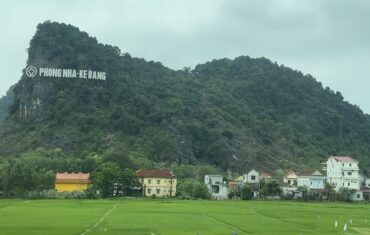
Vietnam is home to eight UNESCO World Heritage Sites, including the Ancient Town of Hoi An, the My Son Sanctuary, Ha Long Bay, Phong Nha–Ke Bang National Park, the Citadel of the Ho Dynasty, the Imperial Citadel of Thang Long, the Complex of Hue Monuments, and the Trang An Landscape Complex. In addition, the country boasts more than 117 museums nationwide.
Vietnam also features 11 UNESCO World Biosphere Reserves, such as the Can Gio Mangrove Biosphere Reserve, Dong Nai, Cat Ba, the Red River Delta, the Coastal Biosphere Reserve of Kien Giang, Western Nghe An, Ca Mau Cape, Cu Lao Cham, Langbian, Nui Chua, and the Kon Ha Nung Plateau.
When visiting Vietnam, travelers can enjoy its spectacular natural landscapes along with the warm hospitality of the Vietnamese people.
CURRENCY
When traveling to Vietnam, it is important to be familiar with the local currency. The official currency is the Vietnamese dong (VND), which comes in denominations of 1,000, 2,000, and 5,000 dongs, followed by banknotes of 10,000, 20,000, 50,000, 100,000, and 200,000 dongs, up to the highest denomination of 500,000 dongs. (Banknotes of 200 and 500 dongs are no longer in circulation).
Although US dollars are accepted in some tourist areas, this practice is limited. Therefore, it is advisable to exchange money into Vietnamese dongs. Traveler’s checks are generally not accepted, and credit card usage remains limited. While some upscale hotels, restaurants, and supermarkets accept credit cards, small eateries, roadside shops, and traditional markets usually accept cash only.
SAFETY
Vietnam is increasingly recognized as a safe and welcoming travel destination for international visitors. However, as in any country around the world, visitors should remain cautious and use common sense during their stay.
Visitors should take good care of their personal belongings, especially money, passports, and valuables. It is recommended to avoid carrying large amounts of cash, refrain from keeping valuables in back pockets, limit the use of expensive jewelry, and stay aware of your surroundings. Extra caution is advised when using a mobile phone in public spaces or while riding a motorcycle or other forms of transport. By taking basic safety precautions, travelers can enjoy a smooth and worry-free experience in Vietnam.
FRAUD
Most foreign tourists do not understand the Vietnamese language, so it is important to take basic precautions to avoid problems such as fraud, especially in big cities. Before getting into a taxi, visitors should negotiate the fare in advance, and it is advisable to use reliable ride-hailing apps such as Grap or Bee. Additionally, most hotels offer in-room safes where visitors can store valuable items like passports, identification documents, and other high-value belongings.
HEALTHCARE
Before deciding to visit any country, it is necessary to familiarize oneself with its healthcare system. In recent years, Vietnam’s healthcare system has made significant advancements in terms of medical facilities, equipment, and the quality of patient care.
Vietnam has also focused on improving its health policies and regulations, as well as enhancing the professional qualifications and service attitude of medical staff, resulting in better healthcare services for both locals and visitors.
However, visitors should be aware of some common health issues in Vietnam, such as dengue fever, influenza, skin allergies, and conjunctivitis, and take basic health precautions during their trip.
TRANSPORTATION
Overall, Vietnam’s transportation infrastructure is on par with other advanced countries in the region. In recent years, the Vietnamese government has focused on improving the transportation infrastructure, including roads, railways, and inland waterways, especially airports and seaports, to support the country’s development.
Visitors can reach Vietnam by air, land, or sea. In Vietnam, tourists have various means of transportation available, such as motorcycles, cars, buses, and trains for land travel; planes and helicopters for air travel; and boats, ferries, canoes, and cruises for water travel.
Vietnam is known for having a high number of motorcycles, and first-time visitors are often surprised by the sheer number of motorcycles on the streets. In this article, we would like to provide you with an overview of Vietnam’s traffic situation.
During weekends and holidays, the number of motorcycles on the road can be overwhelming, and traffic congestion is common in major cities during rush hours. However, Vietnam has a significant number of traffic police to ensure safety and maintain order on the roads.
For many tourists, crossing the street in Vietnam can be an adventurous experience. Here’s a tip: when crossing the street, it’s best to look in the direction of oncoming vehicles and walk slowly, raising your hand if necessary. Don’t worry, drivers are aware of pedestrians and generally drive safely.
Crossing the street in Vietnam can be fun and exciting for many visitors!
THE CLIMATE
Located entirely within the tropical zone of the Northern Hemisphere, Vietnam features a humid tropical monsoon climate, with conditions that vary significantly from north to south. The country receives abundant sunshine throughout the year, resulting in generally warm weather, especially in the southern regions.
Vietnam’s climate is commonly divided into three main regions. In the north, there are four distinct seasons: spring (January to March), summer (April to June), autumn (July to September), and winter (October to December). Summers are typically hot and rainy, while winters tend to be cooler and drier.
In the south, the climate is characterized by two main seasons: the rainy season, from late April to October, and the dry season, from November to April of the following year.
Thanks to its climatic diversity and year-round sunshine, Vietnam enjoys favorable conditions for rice cultivation, forestry, and fishing, which play an essential role in the country’s economy.
TOURISM
In recent years, tourism in Vietnam has become one of the country’s most important economic sectors, experiencing significant growth thanks to its diverse and rich tourism potential, which includes:
World Heritage Sites and Biosphere Reserves
Vietnam is home to 8 UNESCO World Heritage Sites and 11 UNESCO Biosphere Reserves, highlighting the country’s outstanding cultural and natural value (Please, see the section “WORLD HERITAGE AND BIOSPHERE RESERVES”).
In addition, Vietnam boasts 33 national parks, such as Ba Be, Cat Ba, Tam Dao, Phu Quoc, and Tram Chim, as well as nearly 400 natural hot springs, with temperatures ranging from 40 to 120°C. Many of these destinations feature well-developed tourism infrastructure, including the Binh Chau hot springs in Ba Ria–Vung Tau, the Ninh Binh hot springs, and the Quang Hanh hot springs in Quang Ninh.
Vietnam is often described as a land of “golden forests and silver seas”, offering vast potential for tourism development. Its plains, mountains, central regions, and coastal areas provide breathtaking landscapes and diverse travel experiences.
Thanks to this richness, Vietnamese tourism appeals to a wide range of international travelers and consistently ranks among the fastest-growing tourist destinations in the world.
GASTRONOMY
Are you food lovers? Do you enjoy exploring new flavors? Then we invite you to explore Vietnamese cuisine and immerse yourself in the country’s rich culinary culture. It is truly an exceptional experience that leaves a lasting impression on both local and international travelers.
Vietnamese gastronomy goes far beyond food; it represents the country’s traditional cultural values. Many dishes have been passed down from generation to generation, preserving and celebrating Vietnam’s unique culinary heritage. Today, Vietnamese cuisine is recognized as one of the most popular in the world, with iconic dishes such as Phở (rice noodle soup with beef or chicken), Bánh Mì (Vietnamese sandwich), Bún Chả (grilled pork with rice noodles), and Bánh Xèo (Vietnamese sizzling pancake).
Vietnam is divided into three main culinary regions: North, Central, and South, each offering distinct flavors and cooking styles. In the North, dishes tend to be lighter and more balanced, using fewer spices to achieve subtle harmony. The Central region is known for saltier and spicier flavors, often with a slight sweetness. Meanwhile, Southern cuisine showcases greater creativity and a blend of Vietnamese and foreign influences, resulting in sweeter, more colorful, and visually appealing dishes.
Experiencing Vietnamese food culture is an essential part of any trip to the country. The dishes are not only visually appealing and delicious, but also demonstrate remarkable culinary creativity.
THE BEST TIME TO VISIT VIETNAM
Vietnam has a tropical monsoon climate throughout the year, which means it can be visited in any season. Each period offers a different travel experience, allowing visitors to discover Vietnam from various perspectives and enjoy its ever-changing beauty.
From December to February, Vietnam celebrates the Lunar New Year (Tet). During this time, the north experiences winter, while the south enjoys the dry season with pleasant and mild weather. This is considered one of the best times to visit northern Vietnam, when apricot, plum, and peach blossoms bloom beautifully. In some mountainous areas, temperatures may even drop below 0°C, making it possible to witness the rare sight of snow alongside blooming flowers.
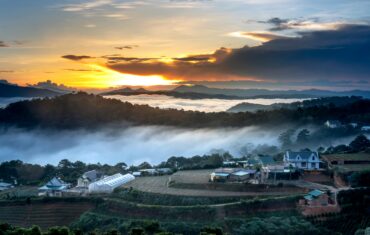
February is also an ideal time to visit the Central Highlands, thanks to its cool, dry climate and minimal rainfall. It is perfect for exploring coffee and rubber plantations and discovering rugged and majestic mountain landscapes.
In March, northern Vietnam enters the season of light spring drizzles. This month marks the blooming of white bauhinia flowers in Dien Bien (northwest Vietnam) and sunflowers in Nghe An (central Vietnam). It is also a good time to visit the ancient capital of Hue and the province of Quang Binh.
April is the season of rice planting and transplanting in Sapa. Travelers can witness lively agricultural scenes, with flooded rice fields reflecting the sky like silver mirrors. It is also an excellent time to enjoy beach holidays in Phan Thiet or on southern islands such as Phu Quoc and Con Dao.
In May, summer begins, bringing clearer skies and brighter sunshine. It is also the time when the sea and islands are at their most beautiful. Do not miss Ha Long Bay, a UNESCO World Heritage Site; Co To Island, known as a “paradise island” with white sandy beaches and crystal-clear waters; or Cat Ba Island, the green jewel of Ha Long Bay.
June and July mark summer in northern Vietnam and the rainy season in the south. This is an ideal time to visit Phu Yen, often referred to as the “untouched pearl” of Central Vietnam tourism, featuring pristine beaches and warm turquoise waters. Travelers may also explore the beaches of Quy Nhon, perfect for diving and snorkeling, or visit Da Nang and Hoi An in the central region. Alternatively, heading west offers the chance to enjoy a wide variety of tropical fruits.
August is a great time to admire the stunning landscapes of Cao Bang, especially the magnificent Ban Gioc Waterfall, one of the most beautiful waterfalls in Vietnam.
September and October are considered the best months to travel to southern and western Vietnam. This period marks the lotus season in Dong Thap, where visitors can enjoy peaceful scenery, experience local daily life, and taste lotus-based specialties. It is also the flood season in the Mekong Delta, known as the “Delta of the Nine Dragons”, offering a unique insight into traditional river life. During these months, travelers can also visit the ancient town of Hoi An, illuminated by thousands of colorful lanterns, creating a magical atmosphere during the Mid-Autumn Festival.
In November, the journey returns to northwestern Vietnam. This is the perfect time to explore the flower triangle route in Ha Giang and admire the wild sunflowers and white plum blossoms that decorate the Moc Chau Plateau.
With this information, EPIC TRIP ASIA hopes to help you enjoy the most unforgettable travel experiences in Vietnam, choosing the best time for your journey.