Ha Long Bay is located in northeastern Vietnam, in Quang Ninh Province, and is one of the country’s most remarkable natural landscapes. Recognized twice by UNESCO as a World Natural Heritage Site, in 1994 and 2000, the bay stands out for its geological, ecological, and scenic value. For many travelers, Ha Long is the most iconic symbol of Vietnam: a collection of limestone islands rising gently from the sea, creating a peaceful and visually striking setting.
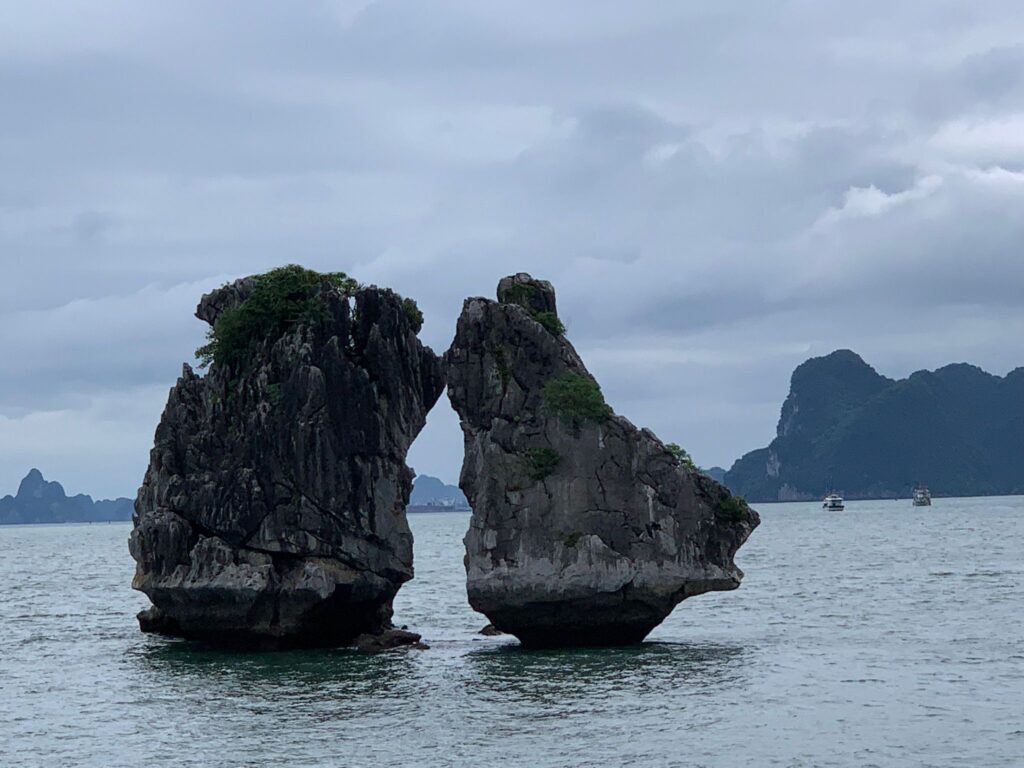
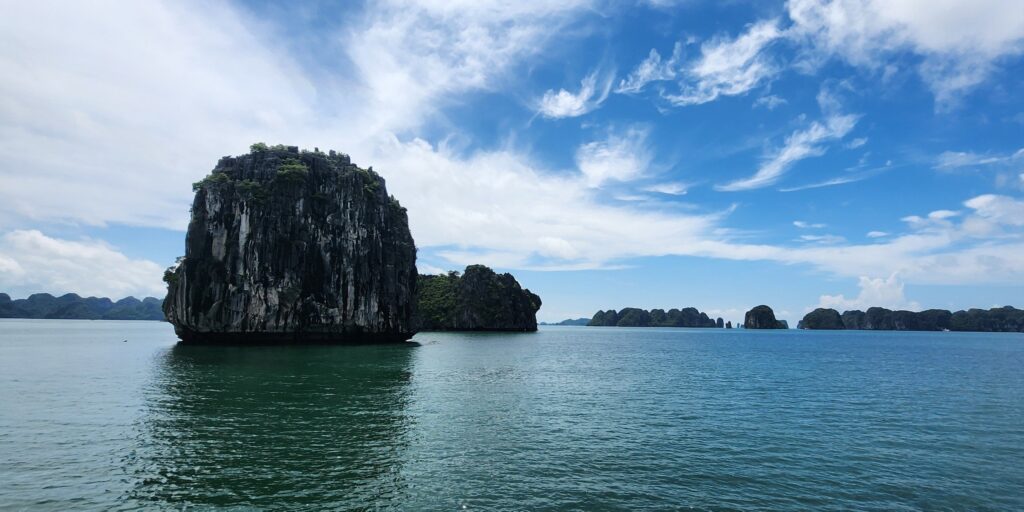
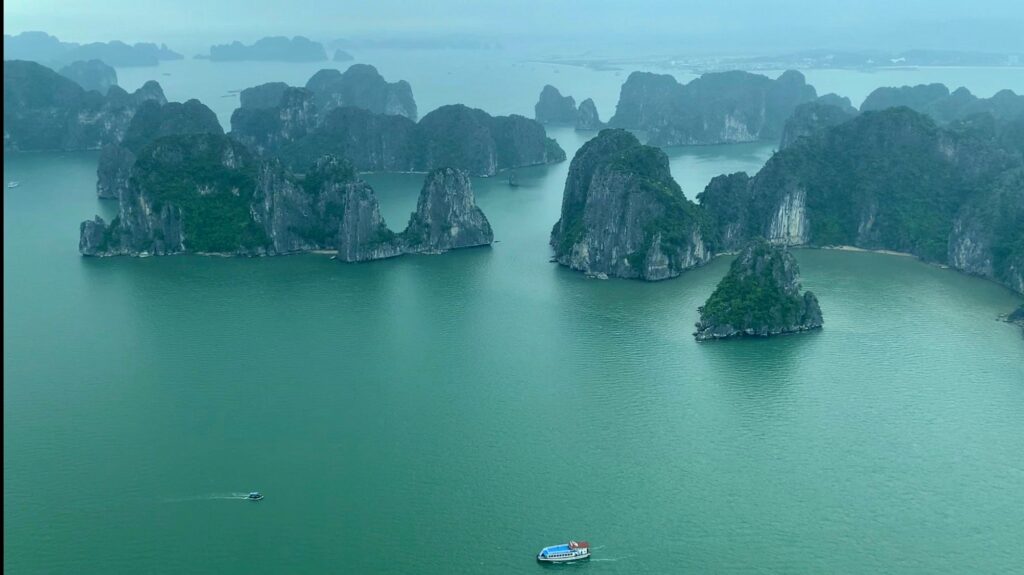
The bay is made up of nearly 2,000 limestone islands and islets spread across waters of green and emerald tones. These formations were created over millions of years through geological processes and natural erosion. Each island has a unique shape, giving rise to popular names inspired by local imagination, such as Fighting Cocks Islet or Incense Burner Islet. This diversity of forms makes the bay feel constantly changing, depending on light and weather conditions.
Hidden among the islands are numerous natural caves and grottoes, which form an important part of Ha Long’s appeal. Some of the most visited include Sung Sot Cave (Surprise Cave) and Thien Cung Cave (Heavenly Palace). Inside, stalactites and stalagmites formed over thousands of years create natural shapes that spark curiosity. These caves are valuable not only for tourism but also for understanding the geological history of the region.
Beyond its natural beauty, Ha Long Bay is surrounded by legends and traditional stories passed down through generations. One well-known legend tells of dragons descending from the sky to protect Vietnam, dropping jewels that became the islands of the bay. These stories are an important part of local cultural identity and reflect the deep connection between nature and Vietnamese tradition.
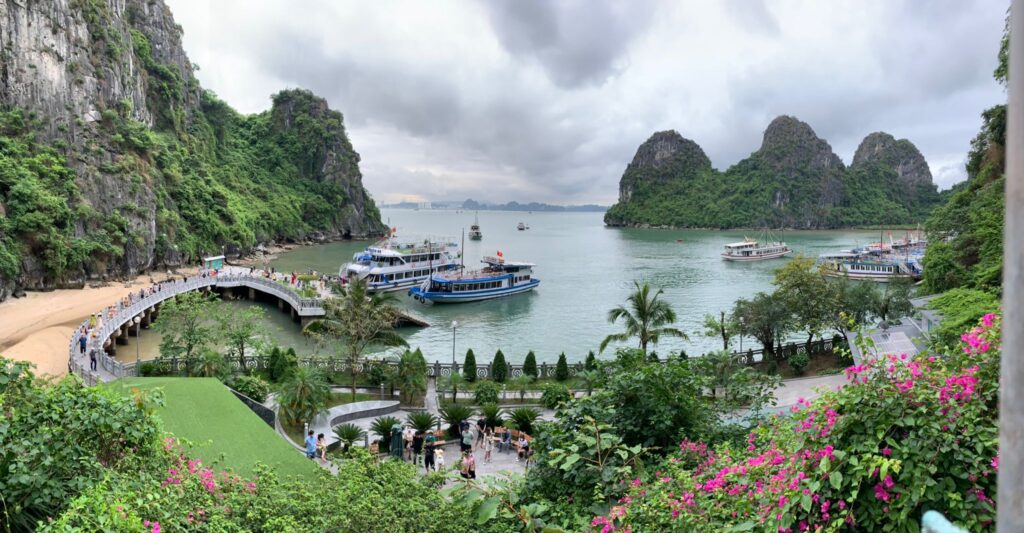
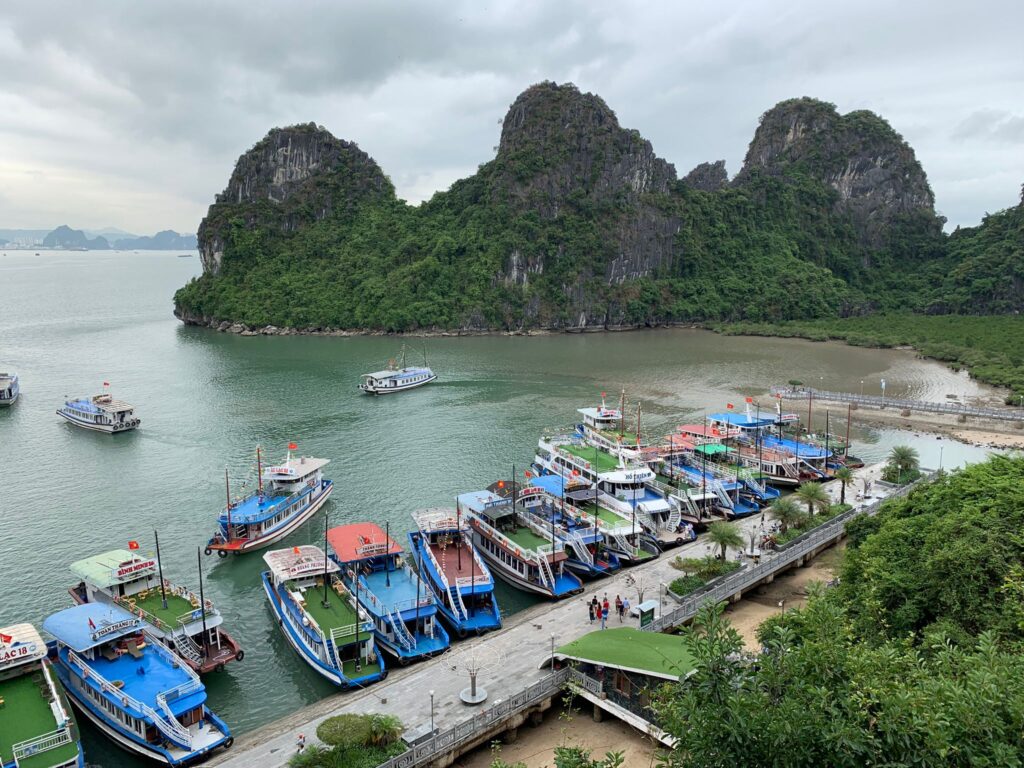
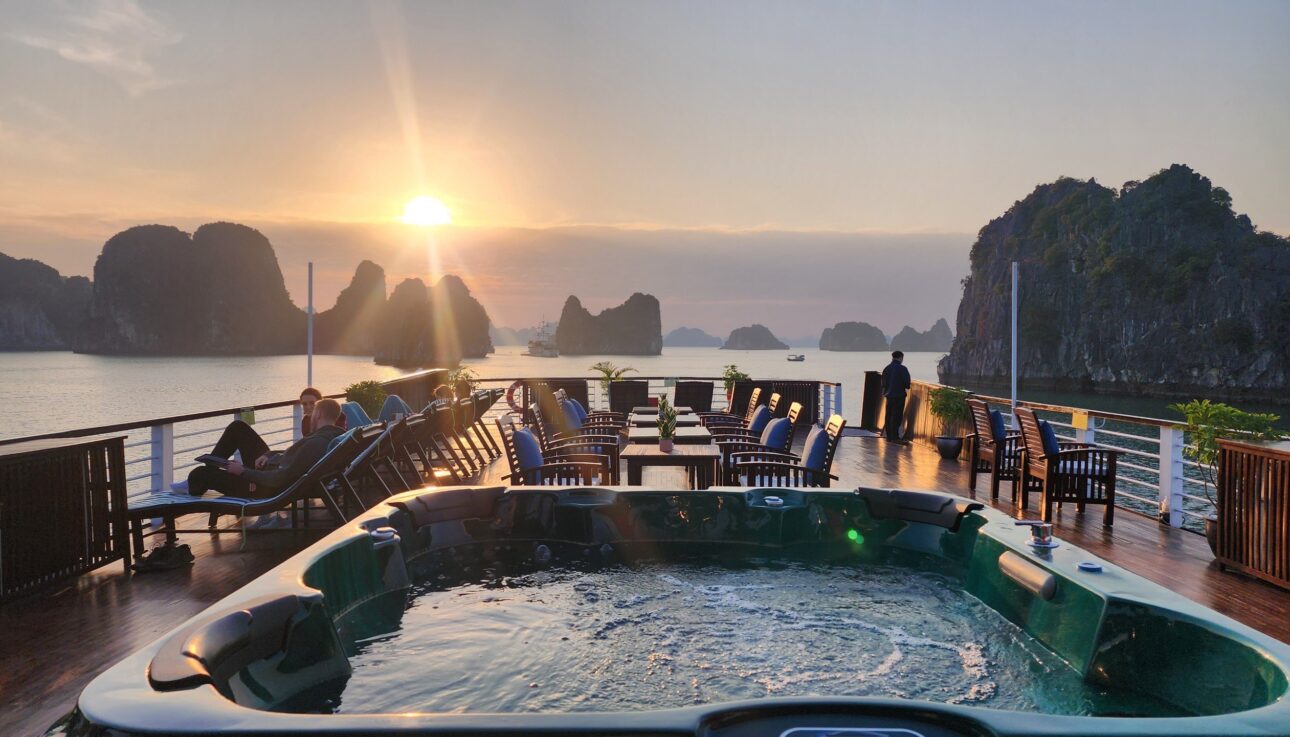
One of the best ways to experience the bay is by taking a cruise. From simple boats to more comfortable cruises, all offer a slow and relaxed pace, allowing visitors to enjoy the scenery without rushing. Sailing between the islands, especially at sunrise and sunset, provides a unique perspective as the sky changes color and reflects softly on the water.
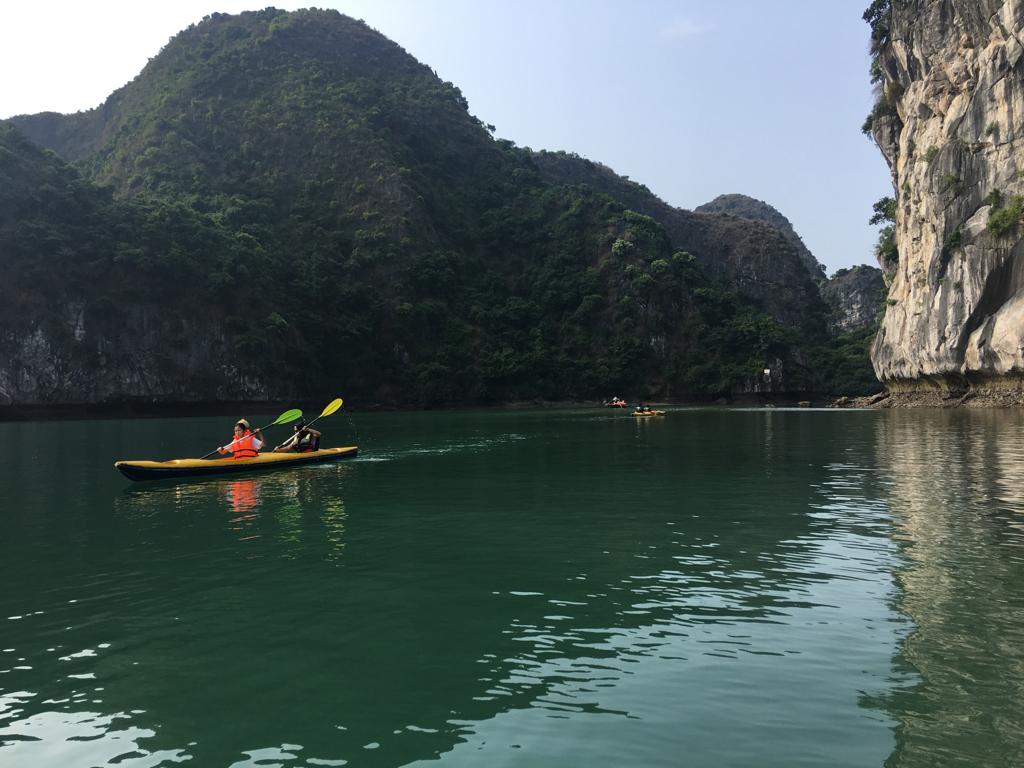
During the journey, visitors can enjoy simple outdoor activities such as kayaking, swimming in calm waters, or visiting small beaches. Kayaking allows travelers to get close to the limestone formations and explore areas inaccessible to larger boats, offering a more direct connection with nature and moments of silence and calm.
Another key feature of Ha Long Bay is its traditional fishing villages. Some communities live in floating houses and rely mainly on fishing and aquaculture. Visiting these villages offers insight into a simple way of life closely linked to the sea. Despite changes brought by tourism, many families continue to preserve traditional practices.
Local seafood cuisine is an essential part of the Ha Long experience. Thanks to its coastal location, the region is known for fresh fish, shrimp, crabs, and squid, often prepared in a simple and natural way. Enjoying a meal on board a cruise or at seaside restaurants adds to the relaxed atmosphere of the bay.
Beyond its landscapes and cuisine, Ha Long Bay offers slower rhythm compared to Vietnam’s big cities. Here, time seems to slow down. The sound of water, the gentle movement of boats, and the open scenery create a sense of calm and balance that captivates many travelers. This is not a destination for intense activities, but rather a place to observe, rest, and connect with the surrounding environment.
From an environmental perspective, Ha Long Bay faces conservation challenges due to tourism. In recent years, protective measures have been introduced to control boat traffic, preserve water quality, and protect the ecosystem. These efforts aim to balance tourism development with environmental protection, ensuring that future generations can continue to enjoy this place.
The bay is also a gateway to nearby destinations such as Ha Long City and Bai Tu Long Bay, a less crowded alternative offering similar landscapes and a more peaceful experience. These areas allow visitors to extend their journey and explore the region more deeply.
Visiting Ha Long is not just about seeing a famous landscape, but about understanding the relationship between nature, history, and daily life in Vietnam. The bay clearly shows how the natural environment has shaped local culture and traditions.
Ha Long Bay is not just a tourist destination, but a place where islands, caves, calm waters, and local communities come together to create a complete and meaningful experience. It leaves calm, lasting memories and a serene impression, inviting visitors to discover the natural and cultural richness of Vietnam.